Esports has transformed from a niche hobby into a global phenomenon. What once started as casual gaming competitions among friends has grown into a multi-billion-dollar industry, captivating millions of fans worldwide. With professional players, organized tournaments, and massive audiences, esports is no longer “just a game”—it is a new form of entertainment, sport, and culture.
The Evolution of Competitive Gaming
Competitive gaming has a long history, beginning with arcade tournaments and LAN parties. Over time, video games evolved into organized competitions with clear rules, rankings, and prize pools. Today, esports spans multiple genres, including real-time strategy, first-person shooters, and multiplayer online battle arenas. This evolution has elevated gaming to a level of professionalism, attracting sponsorships, media coverage, and worldwide recognition.
Professional Players and the Esports Lifestyle
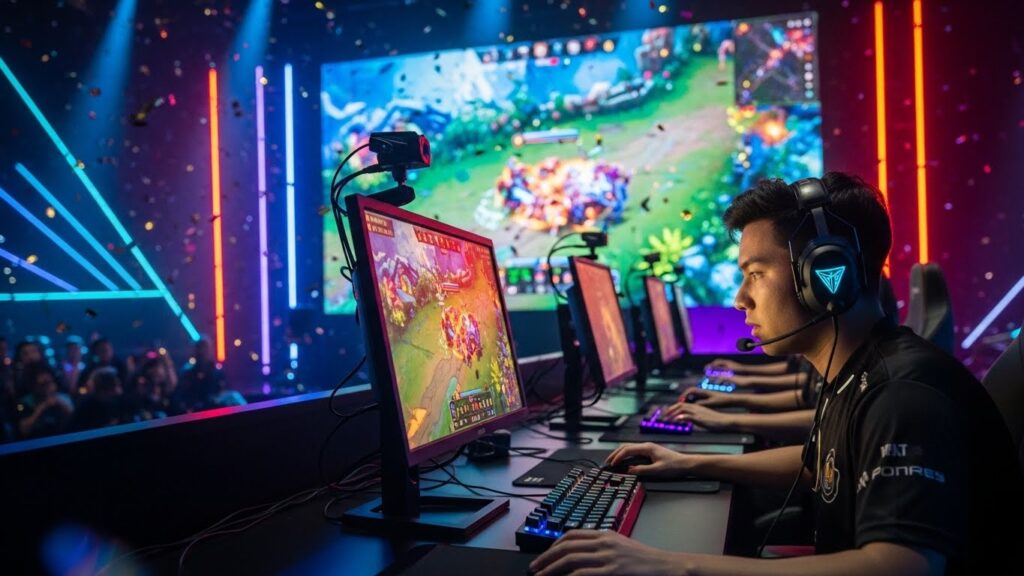
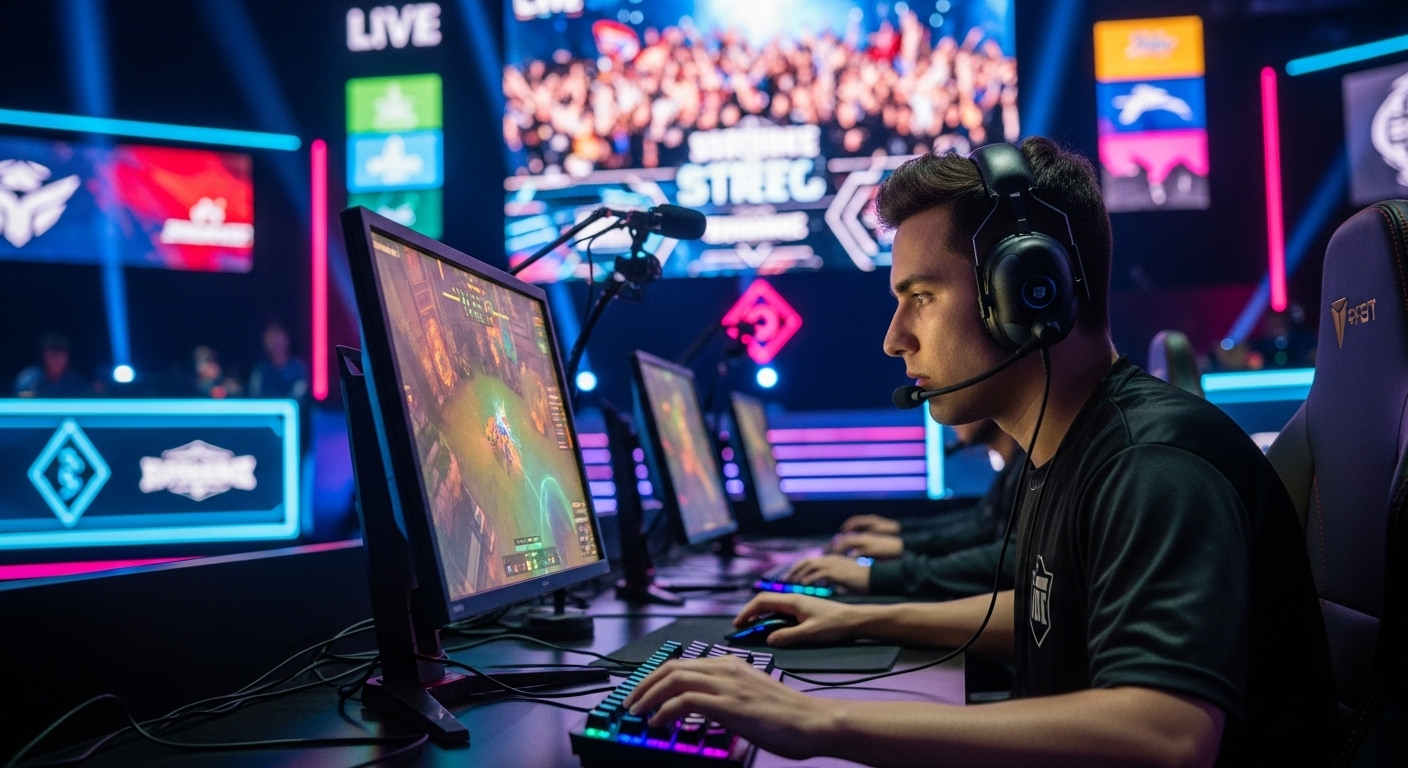
Professional esports athletes dedicate hours of training, just like traditional sports players. Their daily routines involve strategy analysis, teamwork practice, and mental conditioning. Esports careers demand discipline, reflexes, and adaptability. With the growing popularity of streaming platforms, players also engage with fans directly, creating a strong personal brand alongside their competitive achievements.
Tournaments and Spectatorship
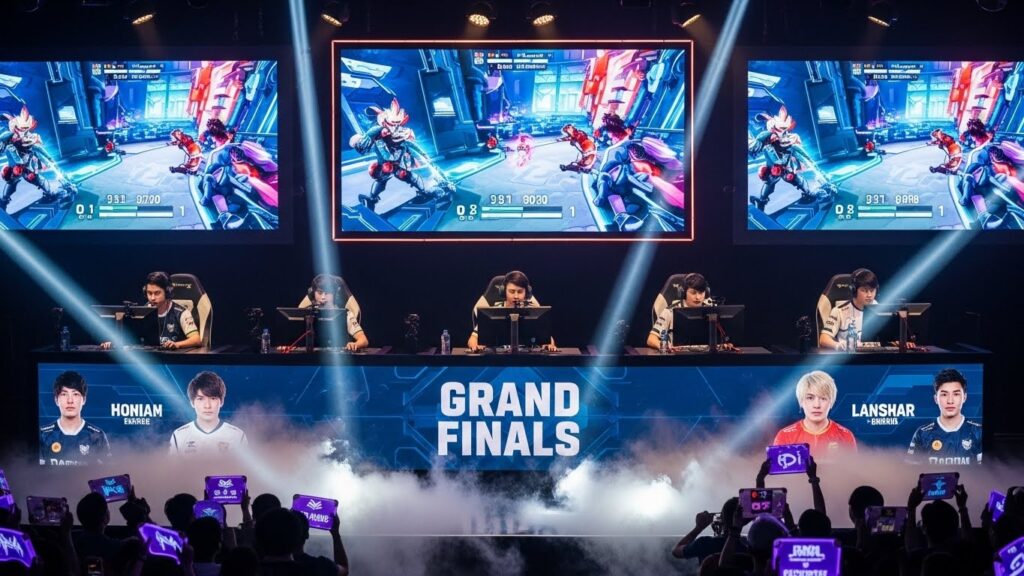
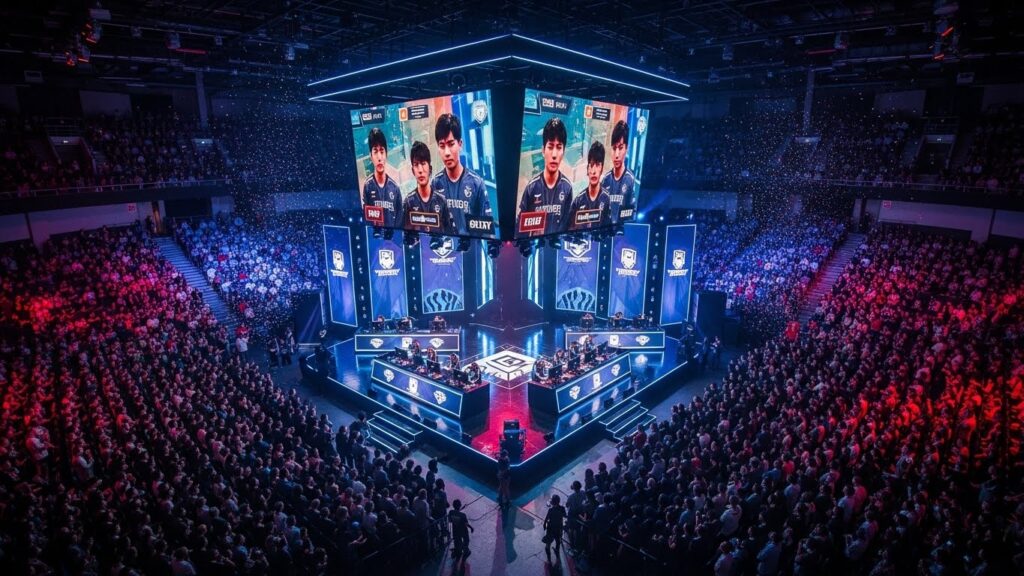
Esports tournaments are grand spectacles, often filling arenas and attracting millions of online viewers. Major competitions like world championships showcase top-tier talent and produce dramatic, high-stakes gameplay. Fans follow teams and players with the same passion as traditional sports, cheering, analyzing strategies, and celebrating victories. This sense of community has contributed to esports becoming a global cultural phenomenon.
Technology Driving Esports
Technology plays a central role in the growth of esports. High-speed internet, advanced gaming hardware, and powerful streaming platforms allow seamless competition across continents. Data analytics and AI help players refine strategies and optimize performance. Even virtual reality and augmented reality are beginning to shape the future of esports, offering new ways to play, watch, and experience competitive gaming.
Career Opportunities Beyond Playing
Esports is not limited to professional players. The industry offers a wide range of careers, including coaching, event management, broadcasting, marketing, and content creation. As the ecosystem expands, educational institutions and training programs are also beginning to support esports careers, providing knowledge and skills tailored to this dynamic field.
The Cultural Impact of Esports
Esports has influenced popular culture, fashion, music, and entertainment. It fosters creativity, collaboration, and strategic thinking among players and fans. Moreover, it has created inclusive spaces where people from diverse backgrounds can connect through shared passion. Esports is no longer just about winning—it is about community, identity, and self-expression.
Conclusion
Esports has emerged as a powerful force, redefining the boundaries between gaming, sports, and entertainment. Its growth reflects technological innovation, global connectivity, and the human desire for competition and community. As esports continues to evolve, it promises not only thrilling gameplay but also new opportunities, cultural connections, and a reimagined vision of what sports can be in the digital age.